

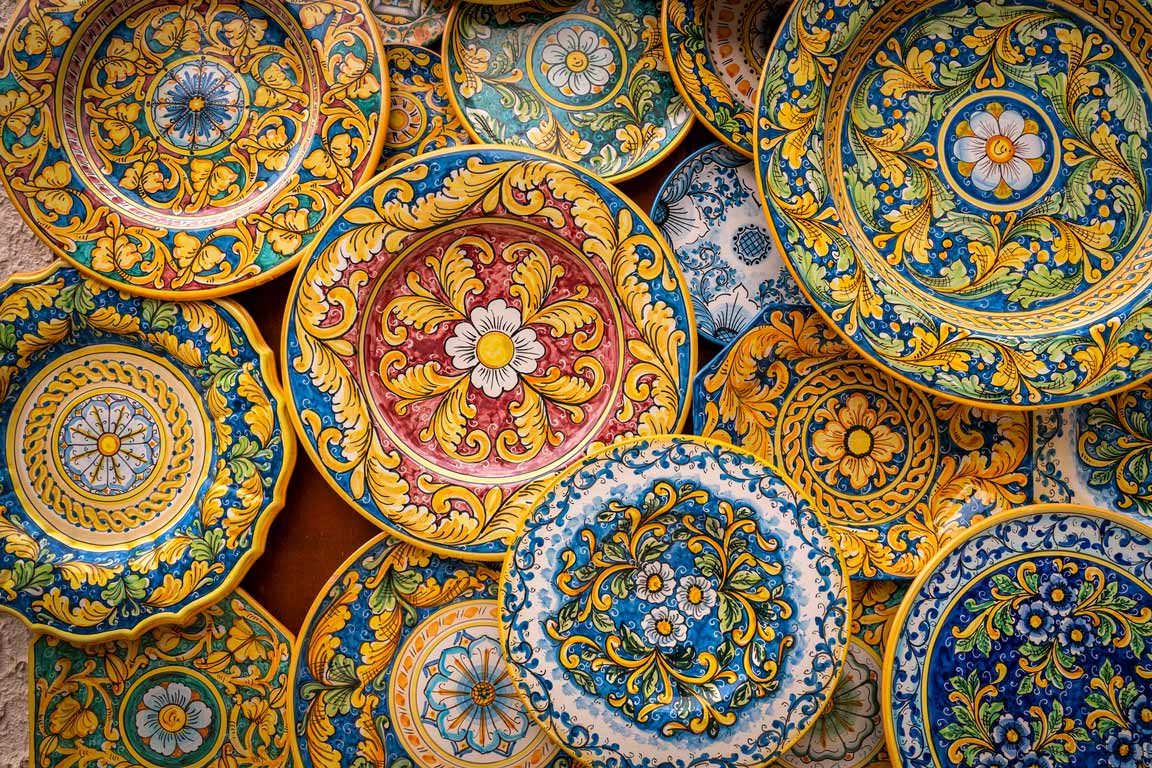
Portigliola and Sant'Ilario dello Ionio guard authentic handicrafts, a living expression of the Locrian tradition and the skill of its craftsmen.
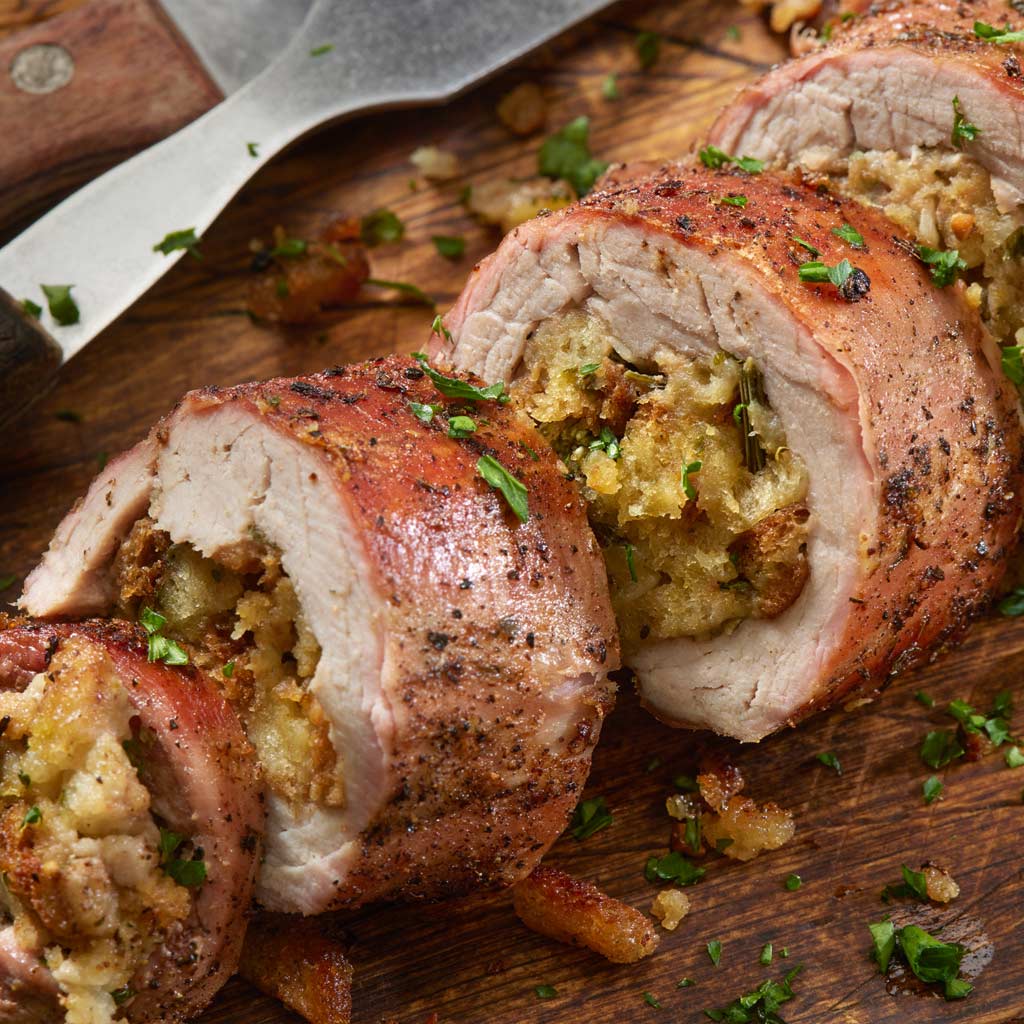
Capra 'mbuttunata - literally 'stuffed' - is one of the oldest and most identifying dishes of Locride, linked to great occasions and festive occasions. It is prepared with young goat meat, chosen for its tenderness, which is stuffed with a savoury filling made from offal, onion, garlic, parsley, spices, stale bread and sometimes eggs. It is cooked slowly and patiently, in a large saucepan or wood-fired oven, with extra virgin olive oil, red wine and chilli pepper, until the meat is tender and the sauce is rich in aromas. It is much more than a second course: it is an ancient ritual, a symbol of deep-rooted Calabrian cuisine, where nothing is wasted and every ingredient tells a story of land, family and sharing.
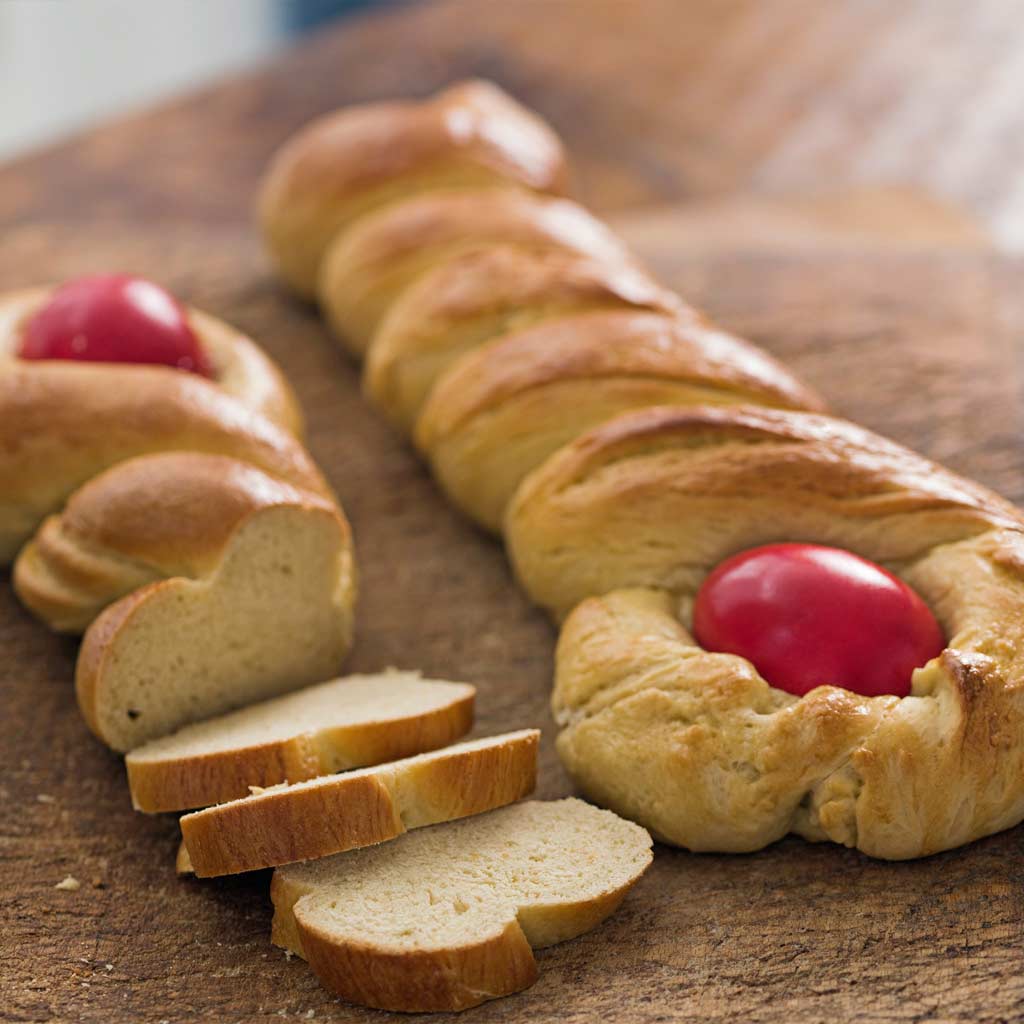
The Sguta, also known as Cudduraci in other parts of Calabria, is the sweet symbol of Easter in Calabria. A simple but meaningful biscuit, it is made in traditional shapes such as doughnuts, plaits and doves. Each shape tells a story: the heart-shaped Sguta for the beloved, the doughnut-shaped one for children, and the one with two eggs to seal an engagement. The egg, symbol of rebirth, is the heart of the cake, a wish for fertility and prosperity. Baked in the oven, the Sguta is a sweet that is never missing from Calabrian tables during Holy Week, often accompanied by sweet wine or shared during Easter outings. A gesture of tradition, family and celebration, which smells of spring.
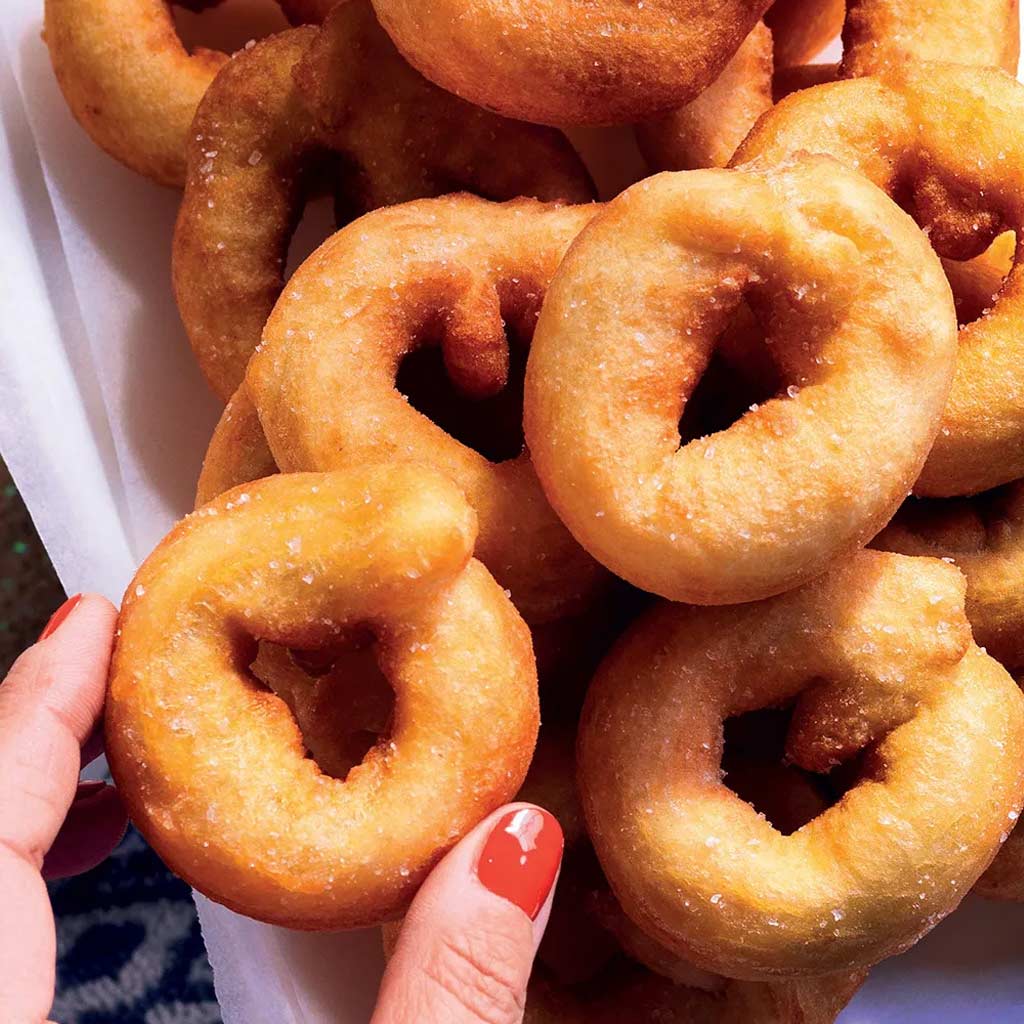
Calabrian zeppole, or zèppuli, are a true symbol of the gastronomic tradition of Portigliola, Sant'Ilario and the entire Locride area. Simple but irresistible, these golden fritters are a collective ritual that unites families in festive moments, especially during Christmas, Immaculate Conception Eve and Carnival. The dough, prepared with flour, water, yeast and sometimes boiled potatoes, is soft and moist, perfect for slow rising. Formed by hand into irregular doughnuts or balls, zeppole are fried in boiling oil until puffy and crispy. They can be sweet, with sugar, orange blossom honey, aniseed, lemon or savoury, stuffed with anchovies, onion, 'nduja, black olives, perfect for festive appetisers.
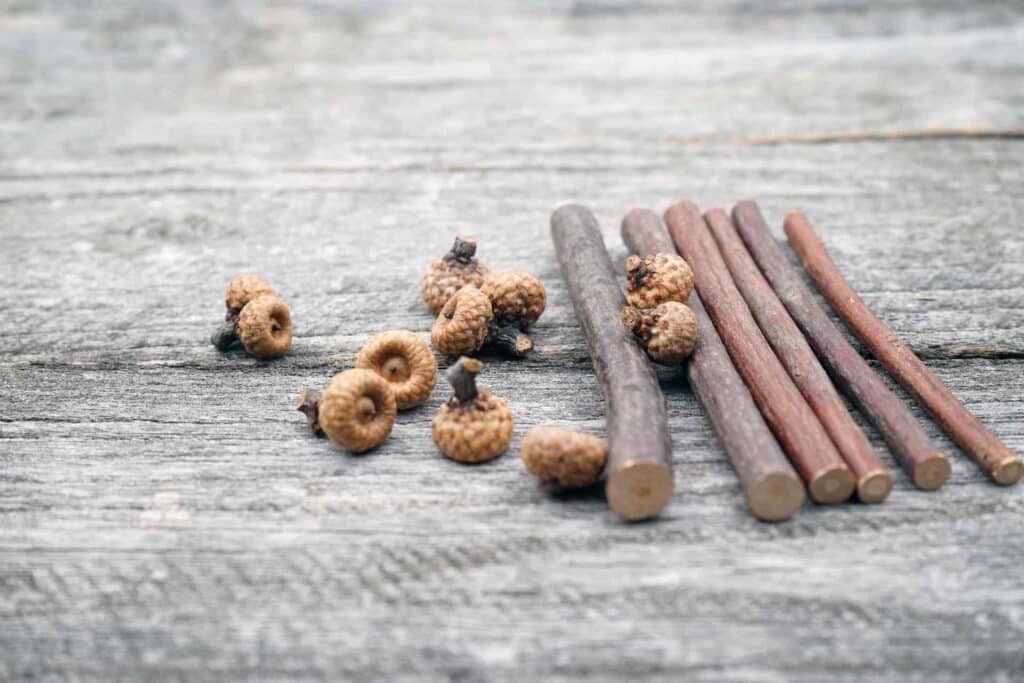
A symbol of Calabrian agricultural excellence, Liquirizia di Calabria PDO comes from roots cultivated in the sandy, sunny soils of the Ionian coast, where the mild climate enhances its natural qualities. The roots, harvested by hand with care, are washed, dried and processed according to traditional methods handed down from generation to generation, which preserve the intensity of flavour and beneficial properties.
The result is a unique product with an intense aroma and a rich, sweet and slightly bitter flavour, capable of conquering the palate. The Protected Designation of Origin (PDO) guarantees not only the quality and authenticity of this speciality, but also the deep link between the Calabrian territory and a tradition rooted in Greco-Roman antiquity.

An authentic fruit of Locride's biodiversity, the honey produced in this area comes from the tireless work of bees collecting nectar among fragrant citrus groves, hilly woods and wild flowers. Fine varieties are generated here, such as citrus honey, perfect for those who love the freshness of the coast, chestnut honey, full-bodied and aromatic, and acacia honey, delicate and fragrant.
Thanks to traditional beekeeping techniques that respect the bees' natural cycle, the honey retains its purity and nutritional value. The result is a product with a velvety consistency, a sweet and floral aroma, sometimes enriched with citrus notes, capable of conquering the palate with its authenticity.
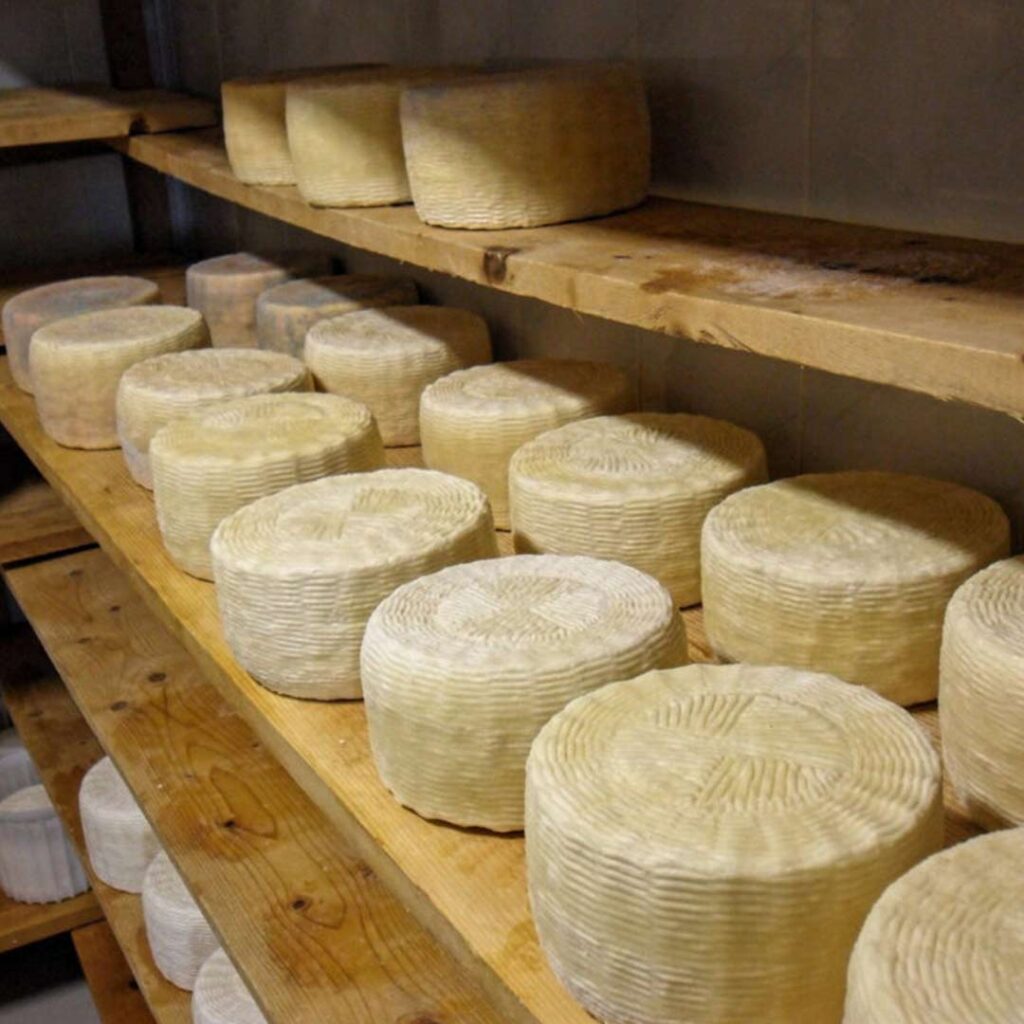
In the pastures and hills of Locride, cheeses with a strong flavour are born , the fruit of a pastoral tradition that has been handed down for centuries. The Pecorino della Locride, matured for a long time, offers an intense and slightly spicy taste, the Caprino della Limina, produced by free-range goats, is aromatic and persistent, while the smoked ricotta of Mammola is distinguished by its artisanal processing and natural smoky smell.
These specialities tell the story of the link between fresh milk, manual processing and patient ageing, offering the palate the authentic taste of Locride, between wild herbs, sun and the age-old knowledge of local cheesemakers.
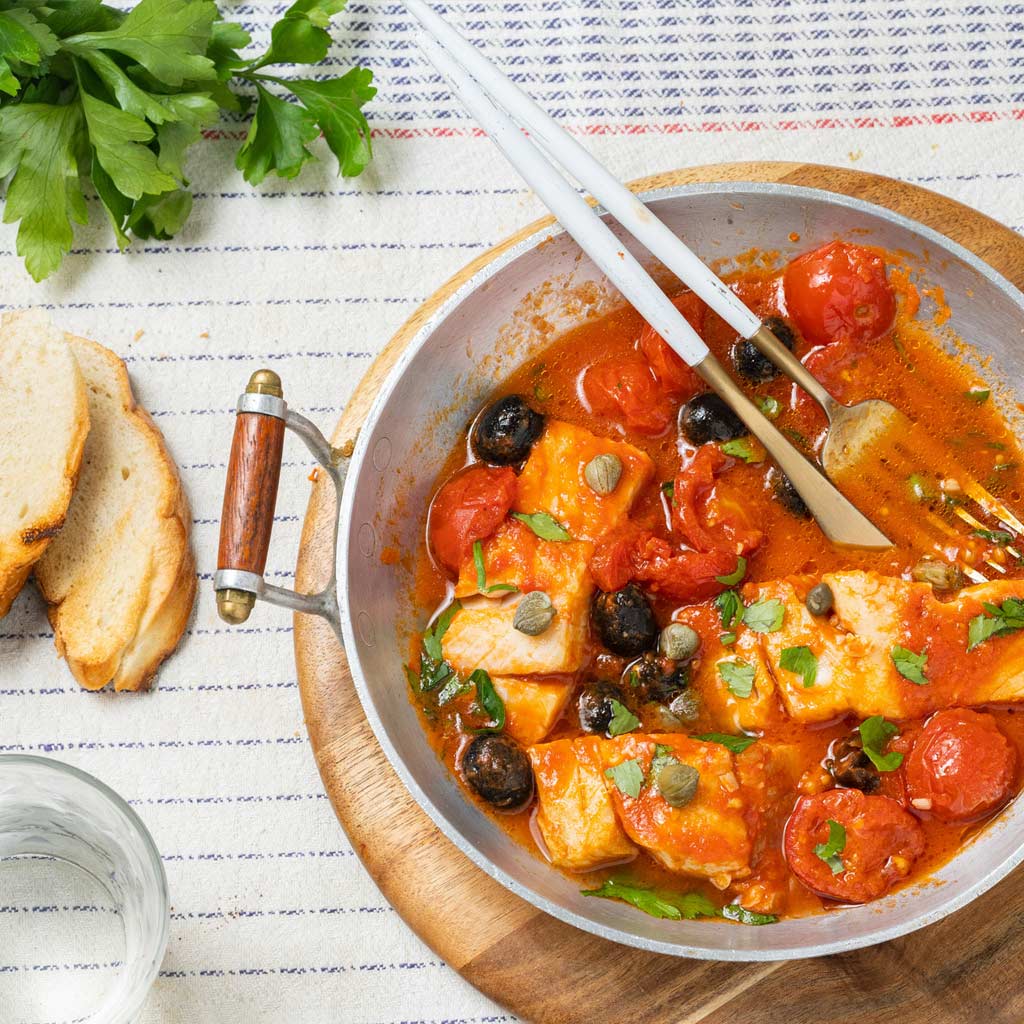
Stocco di Mammola is one of the most iconic dishes of Locride cuisine. It is Arctic cod from the cold waters of the Lofoten Islands in Norway, which finds new life in Mammola, a small village in the Calabrian hinterland. Here, after a careful soaking process in marble tanks fed by the clear Aspromonte springs, the stockfish is enriched with unique flavours. In the traditional mammolese version, it is cooked with tomatoes, Tropea red onion, chilli peppers, olives, potatoes and extra virgin olive oil. In some variations, it is also served raw. This dish has created an original cultural link between Calabria and Norway, a perfect example of how food can unite seemingly distant histories and worlds.
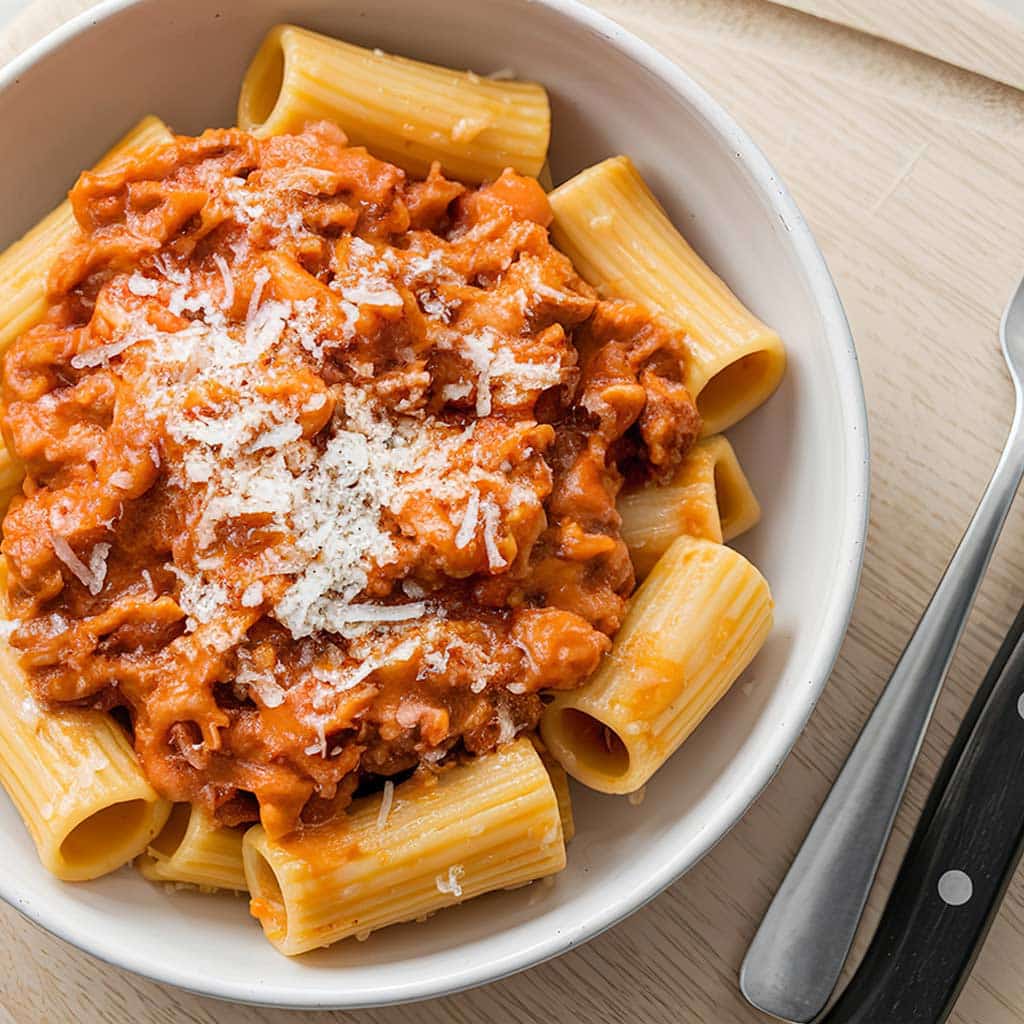
Maccarruna, also known as fileja in other areas of Calabria, are a fresh, handmade pasta with a rough surface, ideal for hosting intense sauces. In Portigliola and Sant'Ilario dello Ionio, they become the protagonists of one of the most emblematic dishes of the tradition, which includes a sauce with goat meat sauce, prepared with slow cooking and strong aromas: it is made from a mixture of onion, red wine, tomato, bay leaf and chilli pepper, and envelops the pasta in an embrace of deep flavours. Once reserved for feasts and important Sundays, today this dish represents one of the most authentic expressions of inland Calabrian cuisine, a journey into ancient flavours that speak of patience, memory and conviviality.
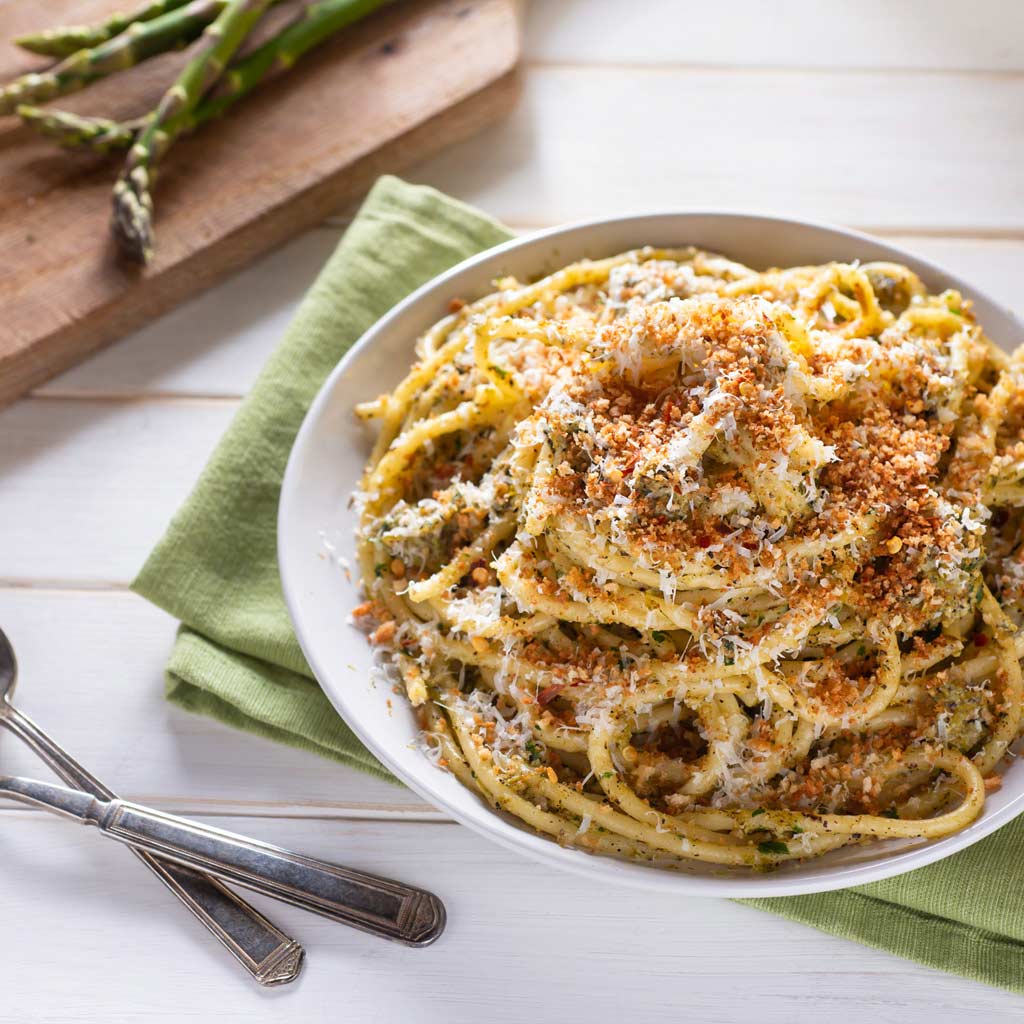
A simple, poor dish with a profound identity, pasta con la mollica represents the soul of the traditional cuisine of Portigliola, Sant'Ilario and the entire Locride area. Created to recover stale bread, it is prepared with essential ingredients: anchovies, extra virgin olive oil and chilli pepper. The breadcrumbs are toasted in a pan with garlic until golden and crispy, then poured over spaghetti or bucatini, creating a perfect contrast of textures and flavours. Typical of lean days, such as Lent, today it is still much loved and found on tables at home and in local restaurants: a dish that demonstrates how Calabrian cuisine can be rich even with a few simple ingredients.