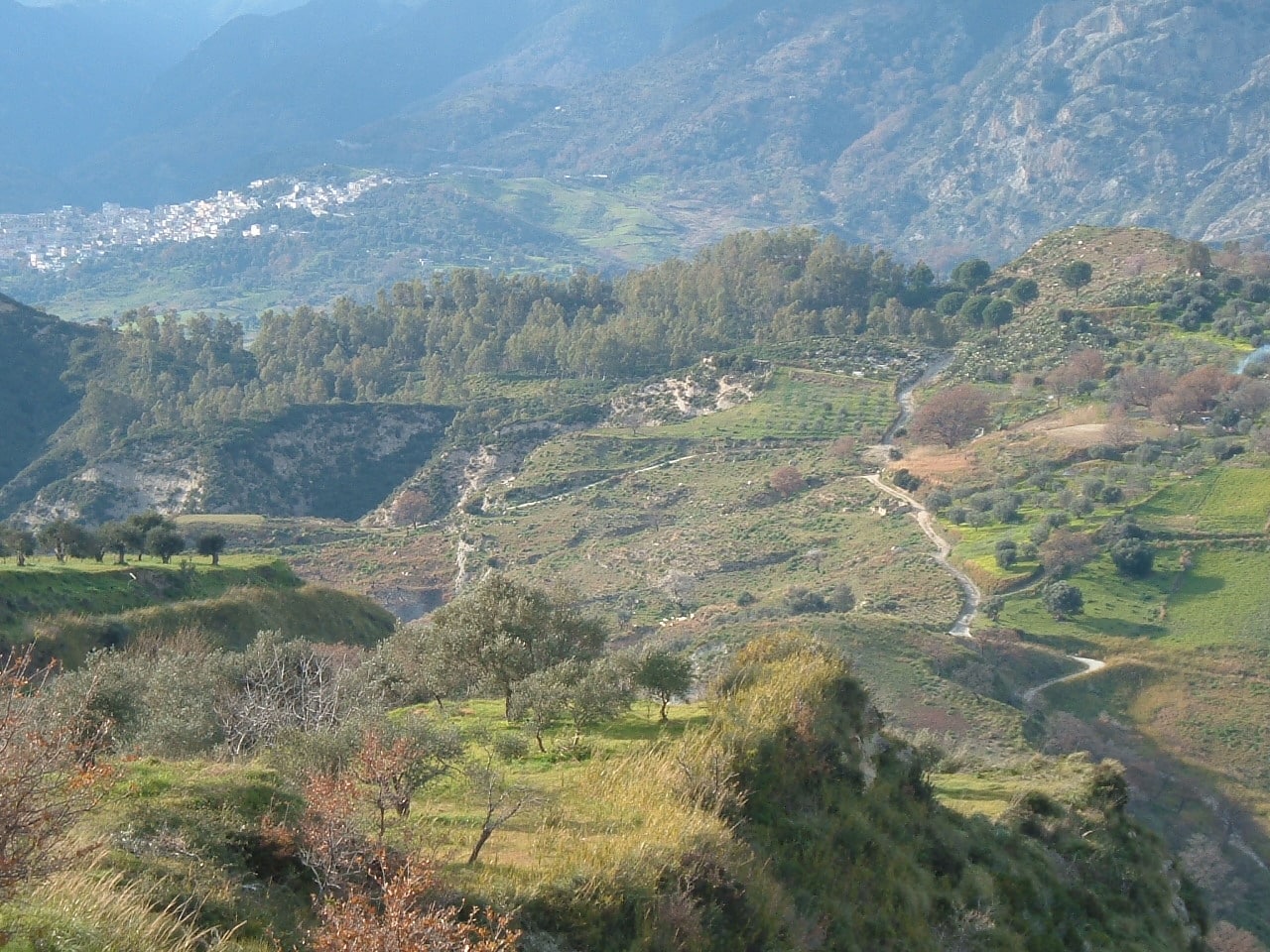

The Santilaria countryside tells a millenary story, carved in stone and in the fields that stretch between the Ionian Sea and the hills of olive trees. Along the cliffs of the area known as Petti, a vast plateau planted with vineyards and olive groves, time has preserved the traces of more than twenty Neolithic settlements, discovered by the University of Pisa: small artificial caves dug into the tuffaceous rock, where man found refuge and the beginnings of community life.
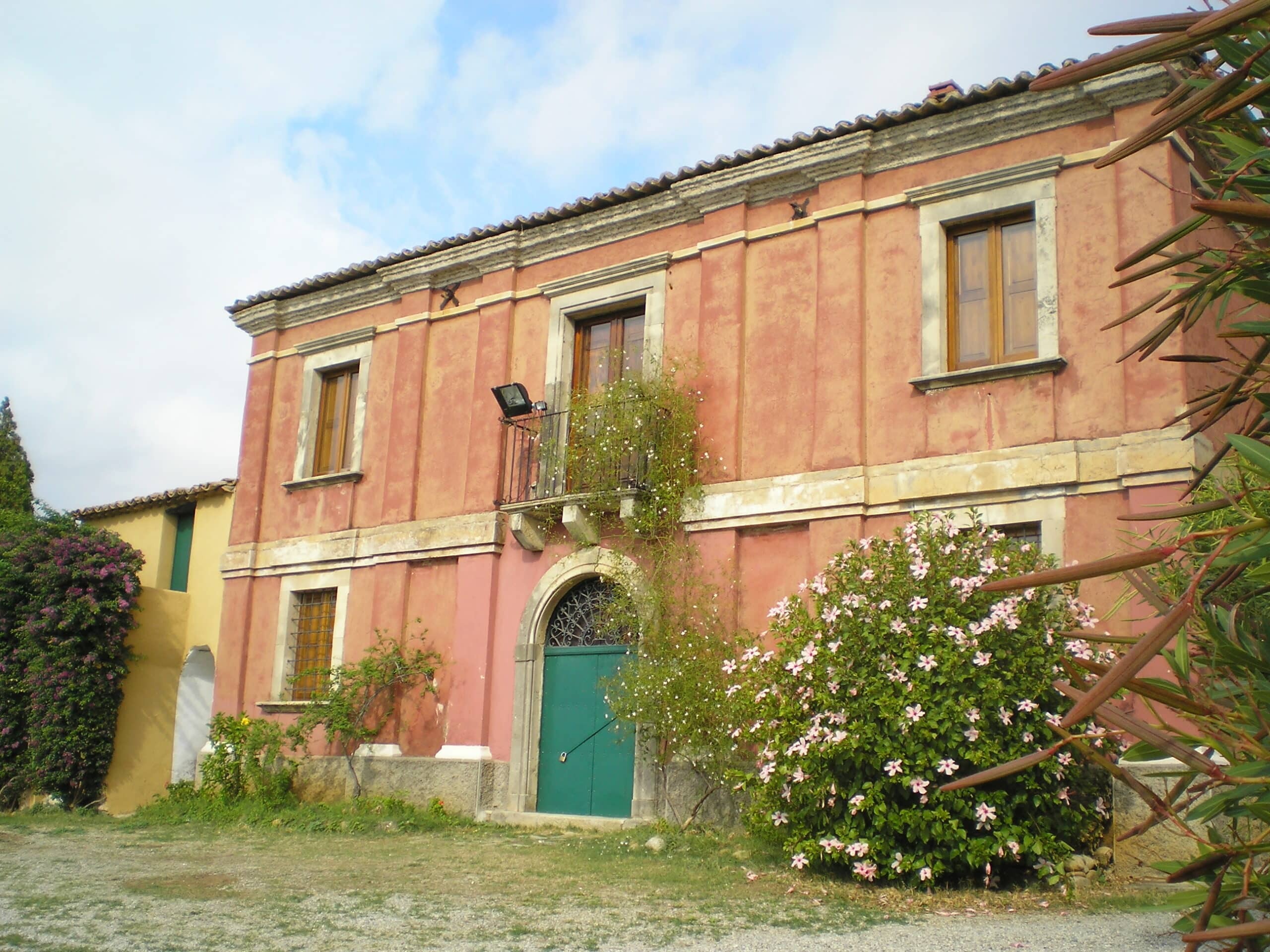
Further down the valley, the historic Rombolella road joins the sea to the mountains, skirting the ancient agricultural estates of the notables of Santilaria. Seventeenth- and eighteenth-century farmhouses, such as the Casino del Principe di Roccella, Murdaca, Speziali and Lanciano, dot the landscape with their rural elegance, immersed in greenery and overlooking a horizon that embraces the sea.
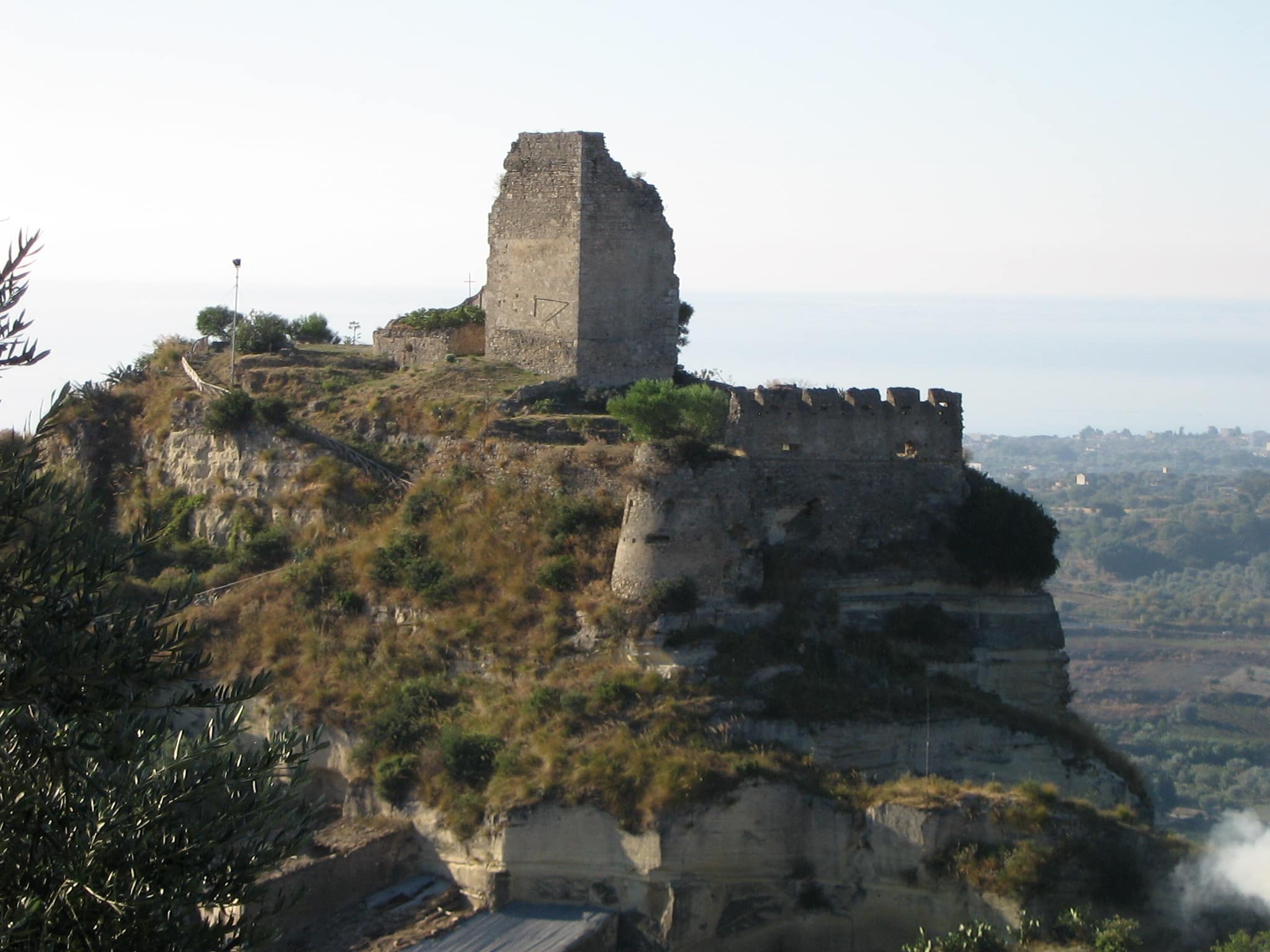
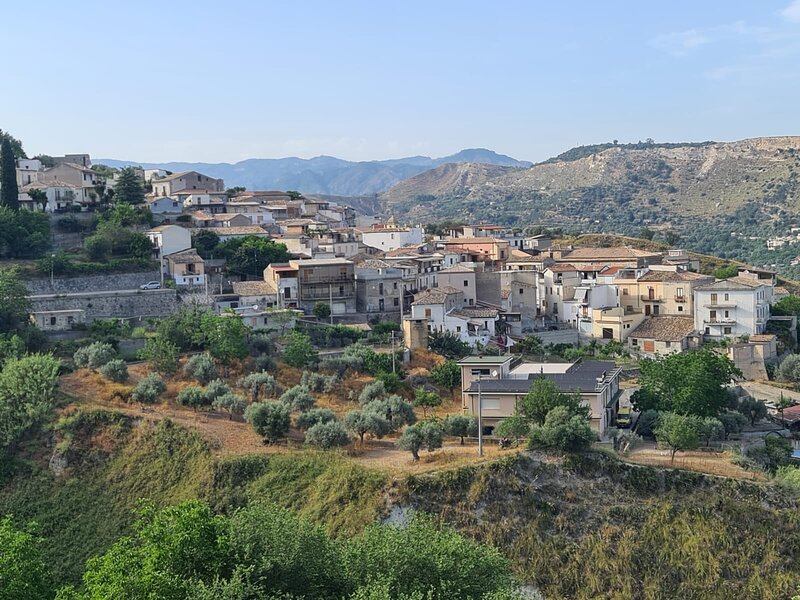
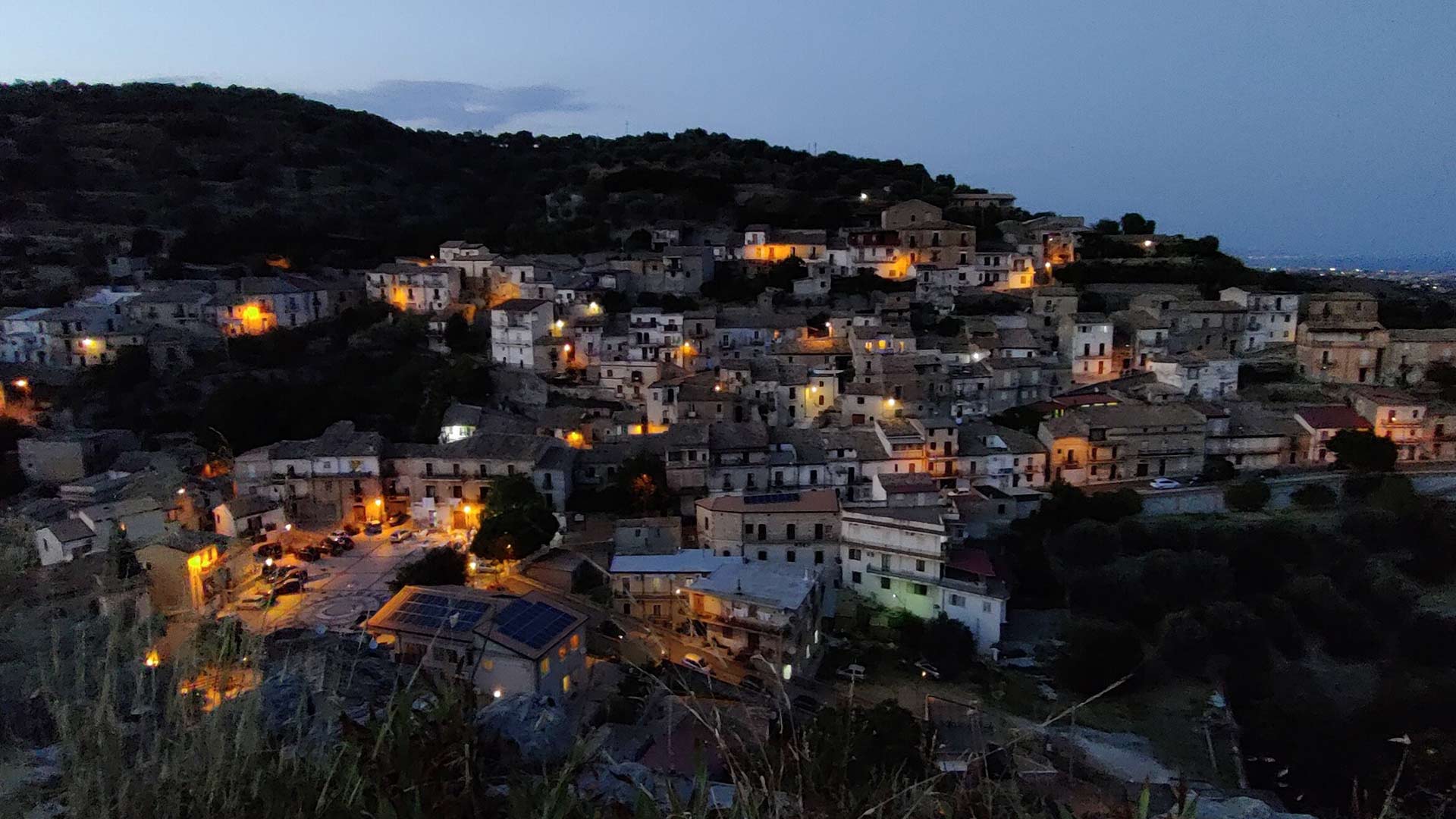
In the centre of this fertile land are the two historic centres of Condojanni and Sant'Ilario. Condojanni, an ancient medieval village, guards its Norman castle that dominates two horseshoe-shaped hills and hides tunnels and legends of distant battles, such as that of Lepanto. It was from here that the rebirth of the area was born: with the Carafa di Roccella family, at the end of the 16th century, a new agricultural and urban face took shape, and Sant'Ilario was transformed from a village into a lively and noble community, with its stately palaces and the breath of a land that continues to tell its own story today.